
 Beds
Beds
 Accessories
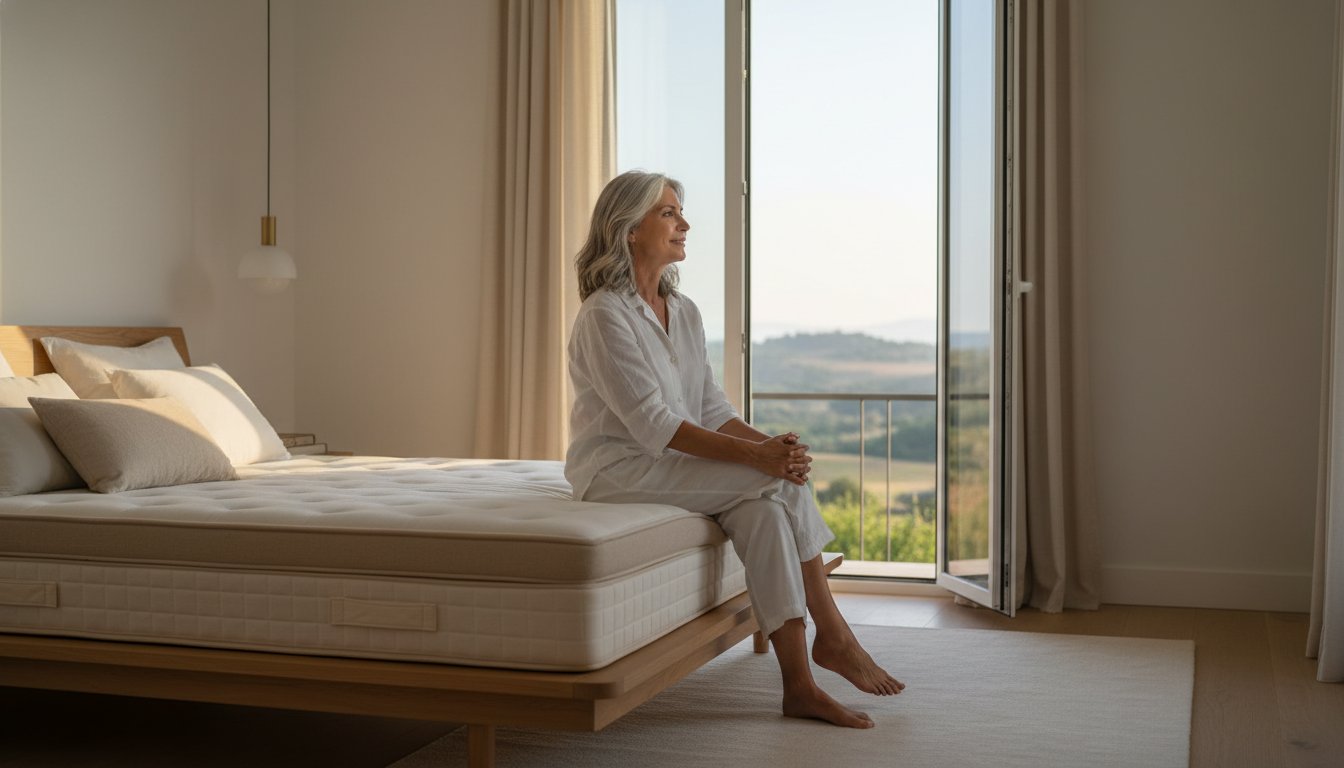
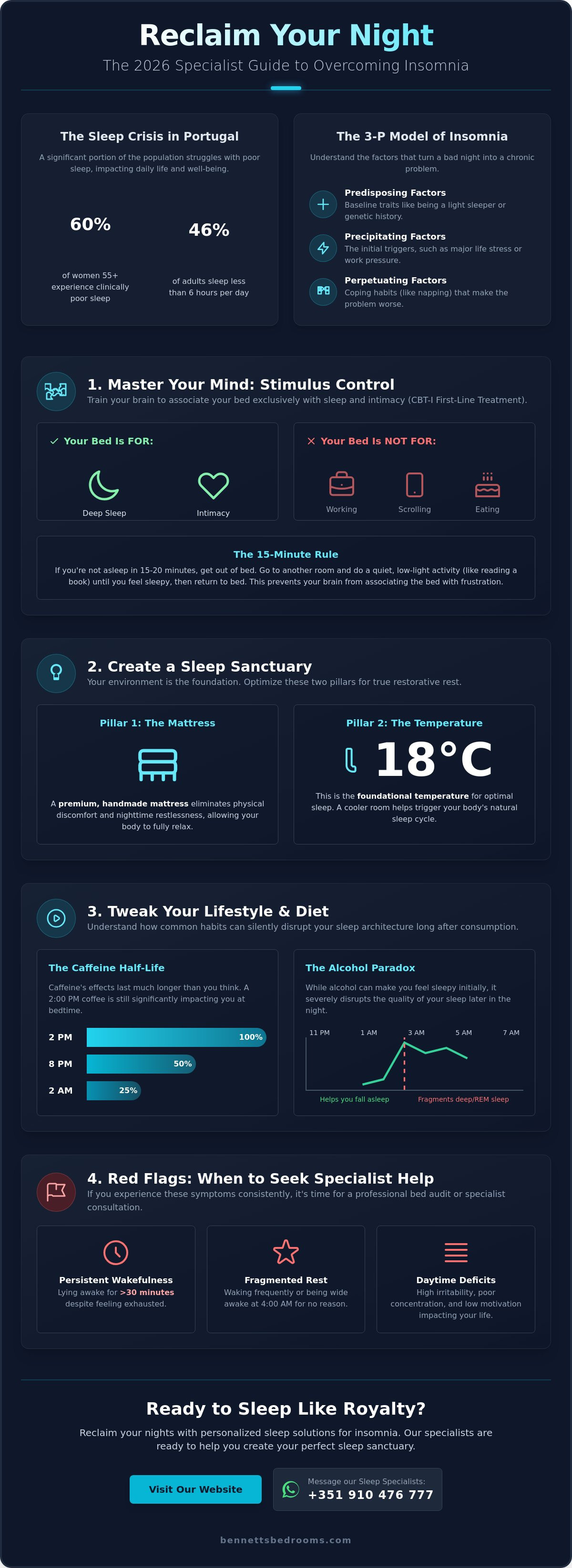
Over 60% of women in Portugal aged 55 and older experience clinically poor sleep, while 46% of the general adult population sleeps less than six hours per day. If you’re lying awake at 3:00 AM with racing thoughts or waking up with a heavy brain fog that lingers all day, you’re likely exhausted by the search for a real answer. You want a bedroom that feels like a sanctuary rather than a place of anxiety. This specialist guide reveals the most effective sleep solutions for insomnia in 2026, moving beyond basic advice to help you reclaim your night.
We will explore the April 2026 clinical guidelines from the American Academy of Sleep Medicine that prioritize Cognitive Behavioral Therapy (CBT-I) as the primary first-line treatment. You’ll also learn how to optimize your environment with premium, handmade mattresses to eliminate physical discomfort and nighttime restlessness. For immediate advice on tailoring your sleep setup, you can reach our sleep specialists via WhatsApp at +351910476777. By the end of this guide, you’ll have a reliable roadmap to waking up refreshed and ready to sleep like royalty.
Key Takeaways
- Learn how to master “Stimulus Control” to ensure your brain associates your bed exclusively with deep, restorative rest.
- Discover why a premium, handmade mattress and a room temperature of 18°C are the foundational pillars of a true sleep sanctuary.
- Understand how the “Caffeine Half-Life” and the “Alcohol Paradox” can silently disrupt your sleep architecture long after consumption.
- Identify the critical red flags that indicate when it’s time to seek a specialist’s help or a professional bed audit.
- Reclaim your nights with personalized sleep solutions for insomnia by messaging our specialists on WhatsApp at +351910476777.
Understanding Insomnia: Why You Can’t Sleep and Where to Start
Insomnia is more than just a bad night; it’s a persistent struggle with sleep quality or duration that leaves you depleted and frustrated. To gain a comprehensive overview of insomnia, we must look at how it disrupts the body’s natural rhythms. Specialists distinguish between acute insomnia, which lasts a few days or weeks due to temporary stress, and chronic insomnia, occurring at least three nights a week for three months or more. Recognizing which category you fall into is the first step toward reclaiming your rest.
The emotional toll is often the heaviest burden to carry. Many of our clients describe a “fear of the pillow,” where the mere sight of the bedroom triggers a spike in cortisol rather than a sense of calm. This nighttime anxiety creates a vicious cycle. The more you worry about the consequences of not sleeping, the less likely you are to drift off. Validating this stress is essential, as it shifts the focus from a personal failure to a manageable health challenge. Finding effective sleep solutions for insomnia starts with breaking this psychological loop.
To better understand this concept, watch this helpful video:
To understand why sleep fails, specialists use the “3-P Model.” Predisposing factors are your baseline traits, like being a naturally light sleeper or having a family history of sleep issues. Precipitating factors are the triggers, such as a high-pressure project or a major life change. Finally, perpetuating factors are the habits you develop to cope, like napping during the day or staying in bed while wide awake. These habits often turn a temporary problem into a long-term struggle that requires expert intervention.
Common Symptoms and Warning Signs
Identifying insomnia early prevents it from becoming a chronic condition. Watch for these signals:
- Persistent Wakefulness: You lie awake for more than 30 minutes despite feeling physically exhausted.
- Fragmented Rest: You wake up frequently throughout the night or find yourself alert at 4:00 AM without a clear cause.
- Daytime Deficits: You experience heightened irritability, poor concentration, and a lack of motivation that impacts your professional life.
The Root Causes: Stress, Environment, and Habits
Psychological triggers like work-related stress remain the most common precipitating factors. However, your physical environment plays a massive role. In 2026, the digital environment is a major disruptor. Blue light from smartphones suppresses melatonin production, tricking your brain into thinking it’s still daylight. Noise, light pollution, and an improper room temperature also prevent the deep, ultra-relaxing sleep you deserve. If you’re unsure if your current setup is the culprit, our sleep specialists can help. Reach out to us via WhatsApp at +351910476777 for a personalized consultation on your sleep environment.
Mental and Behavioral Techniques to Calm the Mind
Implementing effective sleep solutions for insomnia often begins with retraining the brain’s relationship with the bedroom. Cognitive Behavioral Therapy for Insomnia (CBT-I) is widely recognized as the gold standard for this process. It focuses on identifying the thoughts and behaviors that prevent sleep and replacing them with habits that promote it. By addressing the psychological roots of wakefulness, you can stop the cycle of “trying too hard” to sleep, which only increases arousal and keeps you awake longer.
A core pillar of this approach is Stimulus Control. This technique insists that the bed should be reserved exclusively for sleep and intimacy. When you use your bed for work, scrolling through news, or eating, your brain stops associating the space with rest. Practicing good sleep hygiene through stimulus control creates a powerful Pavlovian response; when your head hits the pillow, your body knows it’s time to shut down. If you find yourself tossing and turning, follow the “15-Minute Rule.” If you aren’t asleep within 15 to 20 minutes, leave the bedroom and engage in a quiet, low-light activity like reading a physical book until you feel sleepy. This prevents your brain from linking the bed with feelings of frustration and anxiety.
Mental distraction games are another professional tool to quiet a racing mind. One effective method is “Cognitive Shuffling.” You pick a neutral word, such as “Bedtime,” and then visualize unrelated objects starting with each letter. For the letter B, you might imagine a bridge, then a bicycle, then a basket. This random imagery mimics the fragmented thoughts that occur naturally as we drift off, tricking the brain into a sleep state. Our specialists at Bennetts Bedrooms believe that mastering these mental shifts is easier when you know your physical environment is optimized for comfort.
Proven Breathing and Relaxation Exercises
Physical tension often mirrors mental stress. The 4-7-8 Technique involves inhaling for four seconds, holding for seven, and exhaling forcefully for eight. This specific rhythm acts as a natural tranquilizer for the nervous system. You can also try Progressive Muscle Relaxation (PMR), where you tense and release each muscle group from your toes to your forehead. For those facing high levels of nighttime anxiety, Box Breathing, used by Navy SEALs, involves a four-second count for the inhale, hold, exhale, and pause, providing immediate physiological calm.
Mindfulness and Imagery for Sleep
Mindfulness techniques help you observe racing thoughts without becoming entangled in them. A Body Scan Meditation allows you to tune into physical sensations, systematically releasing tension in each area of the body. Guided Imagery takes this further by having you visualize a “Safe Space,” such as a quiet beach or a lush forest, to trigger the parasympathetic nervous system. Mantra repetition involves silently repeating a single, calming word to block intrusive thoughts and maintain a steady focus on rest. If you need help choosing the right foundation for these practices, contact our experts via WhatsApp at +351910476777.
Creating a Sleep Sanctuary: The Environmental Solution
While behavioral methods are essential for calming a racing mind, they often fail if your physical surroundings aren’t optimized for rest. A premium mattress acts as the foundation for any long-term recovery plan. In the context of insomnia treatment options, specialists agree that a bedroom must signal safety and comfort to the brain. If your bed is lumpy or unsupportive, your body remains in a state of high arousal, making it difficult to find effective sleep solutions for insomnia that actually stick.
Southern Portugal presents unique environmental challenges, particularly the intense humidity and summer heat. Your core temperature must drop to start the sleep cycle, making the “Goldilocks Zone” of 18°C a vital target for your thermostat. Our handmade beds use advanced breathable layers to wick away moisture, preventing the mid-night awakenings caused by overheating. If you suspect your current setup is sabotaging your rest, message our experts on WhatsApp at +351910476777 for a personalized environment assessment.
The Role of Mattress Technology in Insomnia
Modern sleep science has moved beyond basic firmness levels. For those dealing with physical discomfort, orthopedic mattresses offer precise spinal alignment that prevents wake-inducing pain. Zoned support technology uses varying tensions to cradle your hips while supporting your lower back, which significantly reduces tossing and turning. While memory foam is popular for pressure relief, we often recommend pocket sprung systems with wool or cotton for the Algarve. These natural materials provide superior thermoregulation compared to synthetic foams, keeping you cool through the warmest nights.
Optimizing Light and Sound
Your sanctuary requires a total sensory vacuum to be effective. Darkness is mandatory because even minimal light exposure disrupts melatonin production. Use blackout curtains to create a pitch-black environment that encourages deep sleep cycles. Sound management is equally vital for those living in busy areas. Pink noise often outperforms white noise for masking Algarve street sounds because its deeper frequencies are more soothing to the human brain. Finally, enforce a “Digital Sunset” by removing all screens 60 minutes before bed. This stops blue light from tricking your brain into staying alert and ensures you can sleep like royalty.
Lifestyle and Dietary Adjustments for Better Rest
Lifestyle habits are the invisible threads that either weave a night of deep rest or a tangled web of wakefulness. While we often look for quick fixes, the most sustainable sleep solutions for insomnia are found in the rhythm of your daily choices. Your body operates on a strict internal clock, and small disruptions in your diet or activity levels can throw your entire system off balance. Understanding these biological triggers is the first step toward waking up refreshed.
Take caffeine as a primary example. Many people don’t realize that caffeine has a half-life of approximately six hours. If you enjoy a strong bica at 2:00 PM, half of that stimulant is still circulating in your bloodstream at 8:00 PM. For sensitive sleepers, this is enough to delay sleep onset significantly. Alcohol presents a similar trap known as the “Alcohol Paradox.” While a glass of Portuguese wine might help you fall asleep faster, it ruins your sleep architecture. As the body metabolizes the alcohol, it causes frequent micro-awakenings and suppresses vital REM sleep, which explains why you feel groggy even after eight hours in bed.
Consistency is your greatest ally in the fight against restless nights. To anchor your circadian rhythm, you should wake up at the same time every day, even on weekends. This regularity trains your brain to expect sleep at a specific hour. Supplementing this with natural aids like magnesium can also help; it supports the production of GABA, a neurotransmitter that encourages relaxation and calms the nervous system before bed.
Evening Nutrition for Sleep
In Portugal, our vibrant culture often revolves around late-night dinners. However, a heavy meal at 9:00 PM forces your digestive system to work when it should be resting, raising your core temperature and preventing deep sleep. If you must eat late, choose tryptophan-rich snacks like a small handful of walnuts or a slice of turkey, which are natural precursors to melatonin. Your hydration strategy also matters. Aim to drink the bulk of your water before 7:00 PM to avoid those disruptive middle-of-the-night bathroom trips that fragment your rest.
Physical Activity and Sleep Timing
Living in the Algarve provides a unique advantage: abundant morning sunlight. Stepping outside for just 15 minutes after waking up resets your internal clock and boosts evening melatonin production. While regular movement is essential, avoid the “Exercise Gap.” High-intensity workouts within three hours of bedtime spike your adrenaline and body temperature, making it harder to settle. Ultimately, improving sleep quality is a 24-hour commitment. To ensure your daily efforts aren’t wasted on an unsupportive bed, browse our collection of premium mattresses and complete bed sets. For personalized advice on your sleep setup, reach out to our specialists on WhatsApp at +351910476777.
When to Consult a Sleep Specialist in Portugal
While behavioral changes and environmental tweaks solve many cases of restlessness, some situations require a more targeted approach. If your difficulty falling or staying asleep has persisted for more than four weeks, you’ve moved past acute stress and into the territory of chronic insomnia. In Portugal, where 40% of the population reports difficulty staying awake during daily activities, ignoring these signs can lead to significant safety risks. Recognizing the “Red Flags” is the first step in determining whether you need medical intervention or a professional environmental audit.
Red flags often include loud snoring, gasping for air during the night, or an irresistible urge to move your legs. These symptoms suggest that your insomnia might be co-occurring with conditions like obstructive sleep apnea or restless leg syndrome. According to revised 2026 clinical guidelines, screening for both insomnia and apnea is now a standard requirement for effective treatment. If your mind is calm but your body remains restless, the culprit is often hidden in your physical setup. A professional bed audit can reveal if an aging mattress or poor thermoregulation is silently sabotaging your efforts to find effective sleep solutions for insomnia.
At Bennetts Bedrooms, we position ourselves as the essential middle ground between a GP and a retail shop. We don’t just sell mattresses; we provide a specialist consultation to ensure your environment supports your biological need for rest. Our goal is to help you “Sleep Like Royalty” by matching your specific pressure-relief needs and temperature preferences with the world’s most comfortable handmade beds.
The Bennetts Bedrooms Difference in the Algarve
Our expertise is rooted in decades of experience operating in both the UK and Portugal. This unique background allows us to understand the specific needs of the expatriate community and locals alike. We specialize in curating specialty beds that address complex insomnia-related needs, such as zip-link systems for couples with different comfort requirements or natural, breathable mattresses for the Algarve heat. Visiting our Almancil showroom provides a stress-free, luxury environment where you can test these technologies without the pressure of a typical retail experience.
Get in Touch for Personalized Advice
Reclaiming your sleep shouldn’t be a financial burden, which is why we offer interest-free payment plans and fast delivery across Portugal. We handle the entire process, including professional installation directly in your home, so you can focus entirely on your recovery. If you’re tired of waking up exhausted and want a bedroom that feels like a true sanctuary, we’re here to help. Message our experts via WhatsApp at +351910476777 for an immediate, personalized sleep environment assessment. Let’s work together to ensure you wake up refreshed every single morning.
Take the First Step Toward Restorative Sleep
Reclaiming your night is a dual process. It requires the mental discipline of behavioral techniques and a physical environment that prioritizes your comfort. By addressing psychological triggers and optimizing your bedroom with a handmade, premium mattress, you can finally silence the nighttime anxiety that fuels chronic wakefulness. These integrated sleep solutions for insomnia are the most effective way to transition from a state of exhaustion to one of calm confidence.
As an NBF “Big Tick” Approved Retailer, we bring specialist knowledge of both UK and European bed standards directly to your home. We provide fast delivery and professional installation across the Algarve to ensure your new sanctuary is perfect from day one. Ready to transform your nights? Chat with our Sleep Specialists on WhatsApp at +351910476777 or visit our showroom in Almancil. You deserve to wake up refreshed and sleep like royalty every single morning.
Frequently Asked Questions
What is the most effective sleep solution for chronic insomnia?
Cognitive Behavioral Therapy for Insomnia (CBT-I) is the gold-standard treatment. According to the American Academy of Sleep Medicine’s April 2026 clinical guidelines, CBT-I is more effective than medication for long-term results. It works by retraining your brain to associate the bed with sleep rather than anxiety. This approach addresses the psychological root causes, helping you achieve a peaceful night sleep without depending on short-term fixes.
Can a new mattress really help with insomnia?
Yes, especially if physical discomfort or overheating causes your wakefulness. A premium, handmade mattress provides the zoned support needed to align your spine and reduce tossing and turning. These are essential sleep solutions for insomnia because they eliminate the micro-awakenings caused by pressure points. If your current bed is over eight years old, it likely lacks the structural integrity to support ultra-relaxing sleep.
How long does it take for sleep hygiene changes to work?
You should expect to see measurable improvements within two to four weeks of consistent changes. While some individuals notice a difference in just a few nights, your biological clock needs time to reset. Adhering to a strict wake-up time and a “Digital Sunset” every single day is vital. Research shows that 100% consistency during this initial period is the fastest way to reclaim your rest.
Is it better to stay in bed or get up if I can’t sleep?
You should get out of bed if you aren’t asleep within 20 minutes. Staying in bed while frustrated trains your brain to associate the bedroom with stress. Move to a different room with dim lighting and engage in a quiet activity like reading a physical book. Only return to your bed when you feel physically sleepy to maintain the association of your mattress as a sanctuary.
What are the best natural sleep aids for insomnia in 2026?
Magnesium glycinate and low-dose melatonin are the most recommended natural aids in 2026. Magnesium helps calm the nervous system by supporting GABA production, while melatonin can help reset a disrupted circadian rhythm. In Portuguese pharmacies, quality herbal sleep aids typically range from €7.59 to €22.99. Always consult a specialist before starting supplements to ensure they don’t interfere with other health conditions or medications.
Does the temperature of my bedroom affect my insomnia?
Bedroom temperature is a critical factor in sleep onset. Your core body temperature must drop by approximately 1°C to initiate the sleep cycle. Specialists recommend keeping your room at 18°C for optimal rest. In the Algarve’s warm climate, using natural, breathable mattress materials like wool and cotton is a practical way to prevent the nighttime overheating that leads to persistent wakefulness.
How much caffeine is too much if I have trouble sleeping?
You should limit caffeine to 400mg per day and stop all intake at least eight to ten hours before bed. Because caffeine has a six-hour half-life, a coffee consumed at 4:00 PM still has 25% of its stimulant effect active at midnight. For those with chronic insomnia, even a single morning cup can sometimes disrupt the deep sleep cycles necessary to wake up refreshed.
Are there specific pillows that help with insomnia-related neck pain?
Contoured memory foam or adjustable natural latex pillows are best for neck pain. These pillows fill the gap between your ear and the mattress, keeping your cervical spine in a neutral position. Proper alignment prevents the physical tension that often keeps insomniacs awake. For a personalized recommendation on the best pillow for your sleeping position, message our specialists on WhatsApp at +351910476777.
